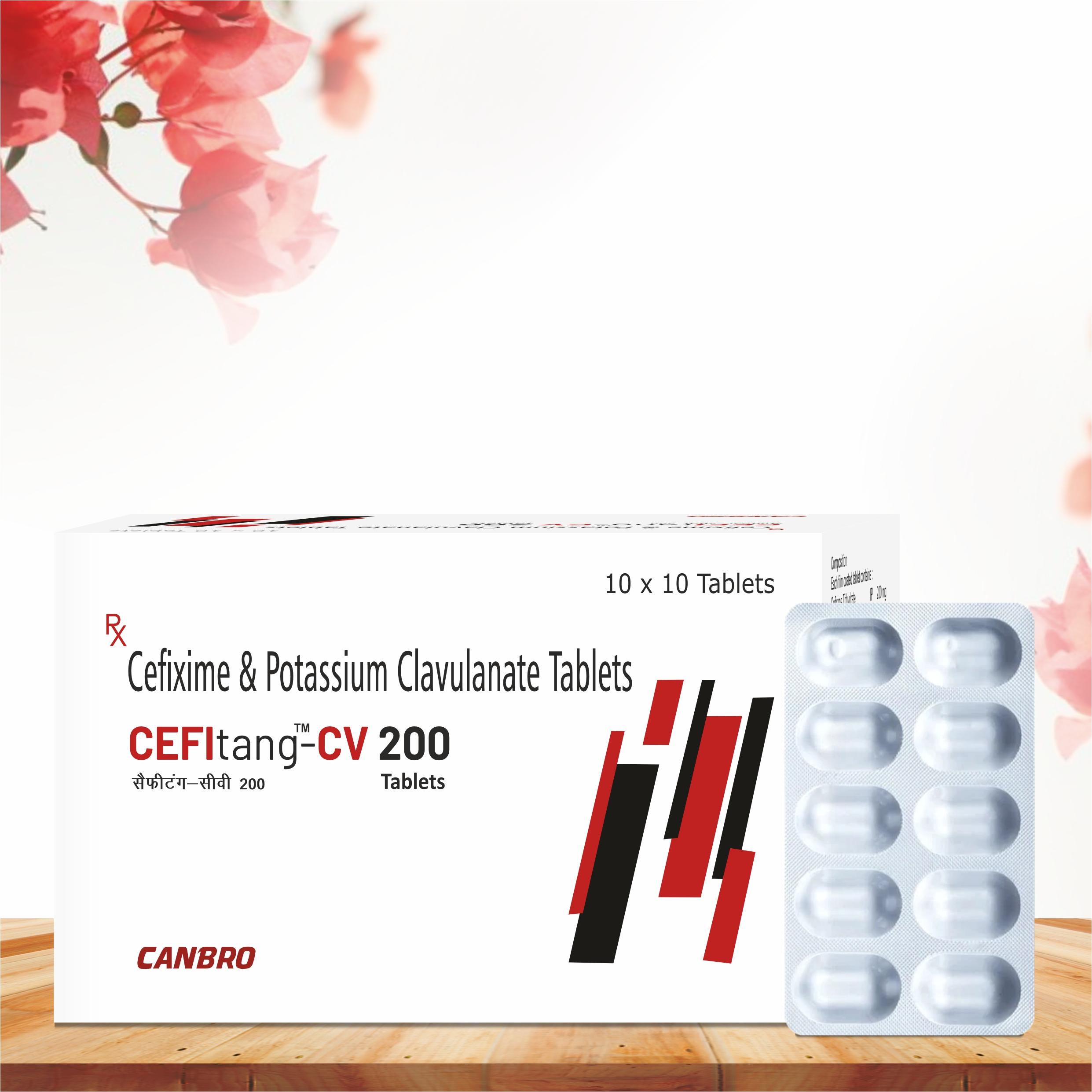
Cefixime & Potassium Clavulanate Tablets: Cefixime + Clavulanic Acid Tablet is an antibiotic medicine used to cure various bacterial infections of the urinary tract, ear, throat, lungs, and uncomplicated gonorrhoea. Bacterial infections occur through the multiplication of harmful bacteria inside or on the body. Infectious or harmful bacteria can make you sick and multiply quickly in your body. These harmful bacteria make chemicals known as toxins, which can damage tissue and make you sick. Cefixime + Clavulanic Acid does not work against infections caused by the virus, including cold and flu.
Medical Benefits:
- Cefixime + Clavulanic Acid belongs to the category of drugs called antibiotics used to cure various bacterial infections of the urinary tract, ear, throat, lungs, and uncomplicated gonorrhoea.
- Cefixime works by stopping the formation of bacterial cell covering, which is essential for their survival. Thereby destroying the bacteria and helping in treating and stopping the spread of infections.
- Clavulanic acid functions by increasing the activity of cefixime against bacteria and reducing bacterial resistance. Together, Cefixime + Clavulanic Acid helps to cure bacterial infections.
Uses:
- Cefixime + clavulanic Acid is mainly prescribed for curing various bacterial infections, such as respiratory tract infections, urinary tract infections, and skin infections.
- This medicine can be beneficial in managing sinusitis, which is an inflammation or infection of the sinus cavities.
- This medicine may be used in the treatment of bronchitis, particularly when caused by bacterial pathogens.
- This combination can also be beneficial in treating dental infections and associated abscesses due to its antibacterial properties.
Directions to Use:
- You should take Cefixime + clavulanic Acid according to your doctor's instructions, 0r taking it with food to avoid stomach upset.
- The doctor has established specific guidelines that you should follow to take your medication at the correct times and doses.
- The patient should take Cefixime + Clavulanic Acid by drinking a glass of water with the full dosage.
- Do not crush, break, or chew it.
Dosage:
Patients must take this medication according to the exact prescription requirements established by their doctor. The body will experience harmful consequences from self-medication and improper dosing.
Storage:
You need to store this medication in a safe location which should be protected from access by both animals and children, and that should not be exposed to direct sunlight.
Side Effects:
Precautions:
- You have been recommended this combination medicine to cure bacterial infections, even if they have developed resistance.
- Complete the prescribed course, even if you start to feel better. Stopping it without completing may make the infection come back and make it difficult to treat.
- Diarrhea may occur as a side effect. Consuming probiotics along with Cefixime + Potassium Clavulanate may help. Ask your physician if you notice bloody stools or develop abdominal cramps.
- Take this combination medicine with food and plenty of fluids to avoid an upset stomach.
Canbro Nephrology stands as one of India's leading pharmaceutical companies. The company holds WHO-GMP and ISO certification, which enables it to produce high-quality products through its advanced manufacturing techniques. The company provides outstanding customer service by offering premium products at affordable prices.
Frequently Asked Questions (FAQ’s):
1. What are Cefixime & Potassium Clavulanate Tablets used for?
They are used to treat bacterial infections such as respiratory, urinary tract, ear, and throat infections.
2. How do Cefixime & Potassium Clavulanate work?
Cefixime kills bacteria, while Potassium Clavulanate helps prevent bacterial resistance, improving treatment effectiveness.
3. Are these tablets effective against viral infections?
No, they work only against bacterial infections and are not useful for viral illnesses.
4. How should these tablets be taken?
They should be taken as prescribed by a healthcare professional, usually after food to reduce stomach discomfort.
5. Can the medicine be stopped once symptoms improve?
No, the full prescribed course should be completed to prevent infection recurrence.
6. Are there any common side effects?
Mild side effects may include nausea, diarrhea, or stomach upset.